By Page Love, MS, RDN, CSSD, LD, PTR and Elizabeth Petrucci, Dietetic Student
Herbal teas for match play?
Cold weather blunts thirst, which means many players under-hydrate just when they need fluids the most. This winter ALTA season, lean into warm, functional drinks that make sipping easy, keep you comfortable on court, and deliver the electrolytes, carbohydrates, and protein your body needs to perform and recover. Aim for a caffeine-free option close to match time and on court. Pack a thermos, rotate from warm to cooler fluids as you heat up, and let smart winter sipping keep you hydrated, fueled, and ready to win. You can add an electrolyte packet to an herbal tea as well. But you also can consider warmed sports drinks as another good option during the beginning of a match.
If you are looking for a beverage with electrolytes, aim for at least 100 mg of sodium per cup or eight ounces. Remember to consume 16–24 ounces of hydrating fluids in the two hours leading up to training or competition. During activity, sip approximately four ounces of fluid at each changeover in tennis — closer to one cup between games in pickleball. Plan to consume 16–32 ounces of fluids per hour. Bring both your warm beverage of choice and some room-temperature water. It is recommended that you move towards a room temperature or cooler beverage as your body warms up during play.
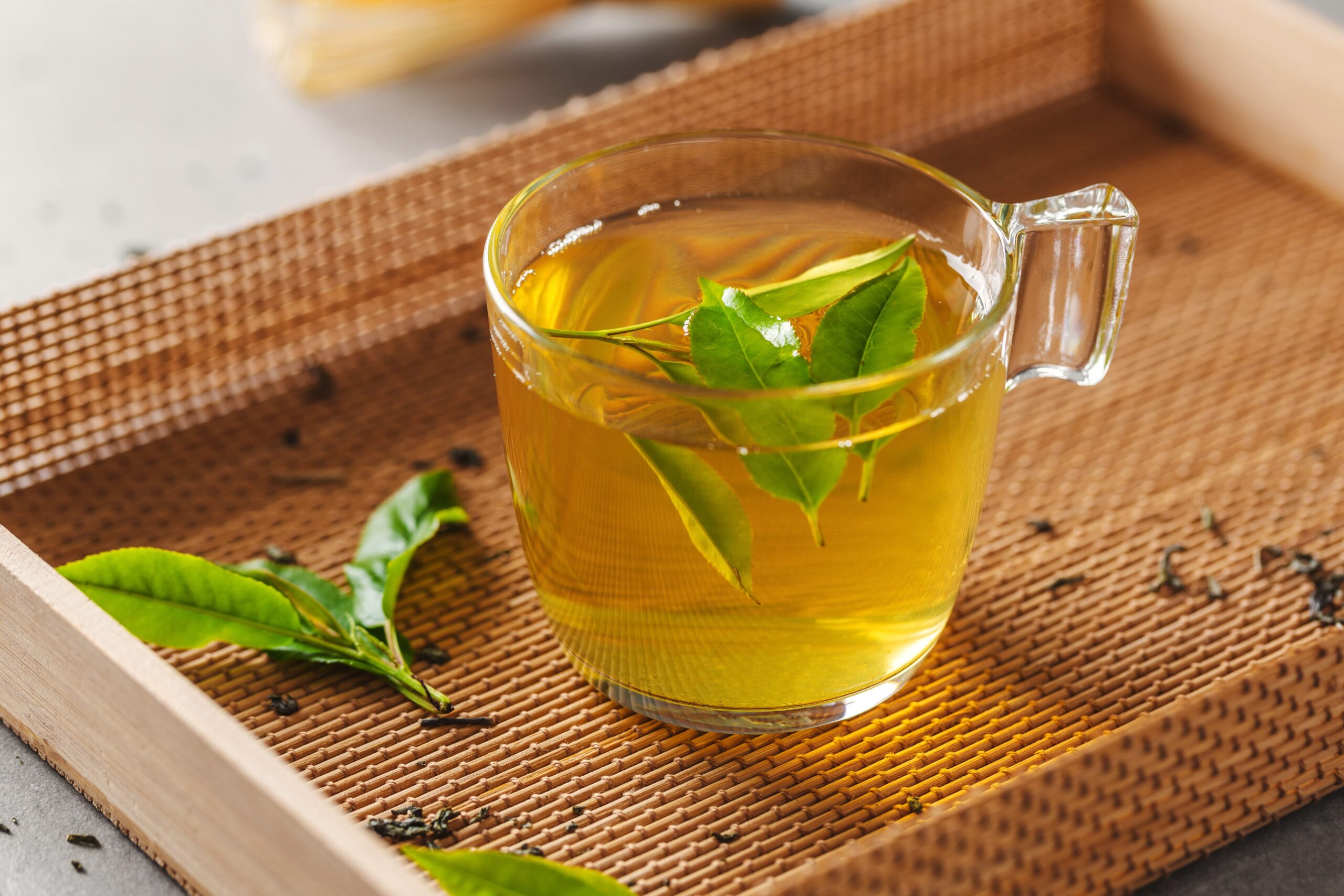
Green tea for hydration
If you prefer a light lift, warm green tea offers gentle caffeine along with potent antioxidants. Intense exercise boosts oxygen consumption and reactive oxygen species (ROS), increasing oxidative stress. Research suggests that oxygen consumption, production of reactive oxygen species (free radicals) and metabolism are 20 times higher during intense exercise than at rest. Overproduction of ROS can lead to damage in the body’s tissues and DNA. Green tea’s catechins and polyphenols help counter that stress while you hydrate. Enjoy it pre-match or early in play if you tolerate small amounts of caffeine; switch to caffeine-free options as you approach first serve or if you’re sensitive to caffeine. And there are additional health benefits of drinking green tea, including “decreases the symptoms of metabolic syndrome by controlling blood glucose, [and] lowering cholesterol” (Nobari 2021).
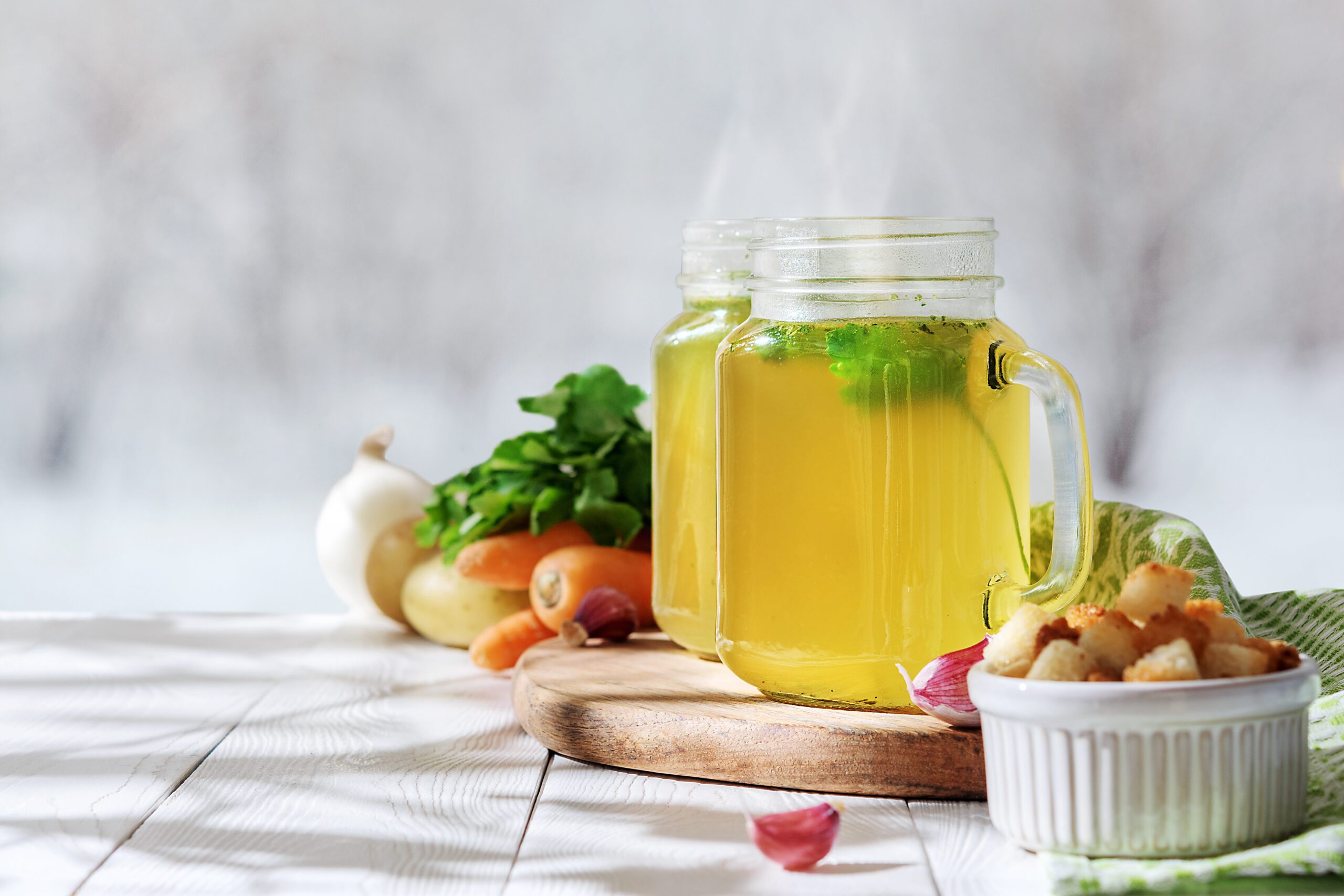
Bone broth for both electrolytes and pre- and post-match recovery protein
Bone broth is a winter all-star for racquet sports. Its naturally higher sodium content helps replace what you lose in sweat, and it supplies electrolytes like magnesium and potassium plus minerals such as phosphorus and calcium. Many broths deliver 10–20 grams of quickly absorbed protein per serving — perfect for recovery. Sip a smaller portion pre-match for warmth, a sodium “primer,” and aim for about 10 grams of protein. Post-match, aim for a serving that provides 15–20 grams of protein within 30 minutes to kick-start repair. Additionally, post-match bone broth can be a great, quick beverage choice as cooling down and standing outside in cold weather after match play. It meets all the criteria for recovery: hydration, electrolytes, and protein. Continue rehydrating with at least 16 ounces of fluid right after play, and over the next few hours replace about 150 percent of your fluid losses to fully rehydrate.
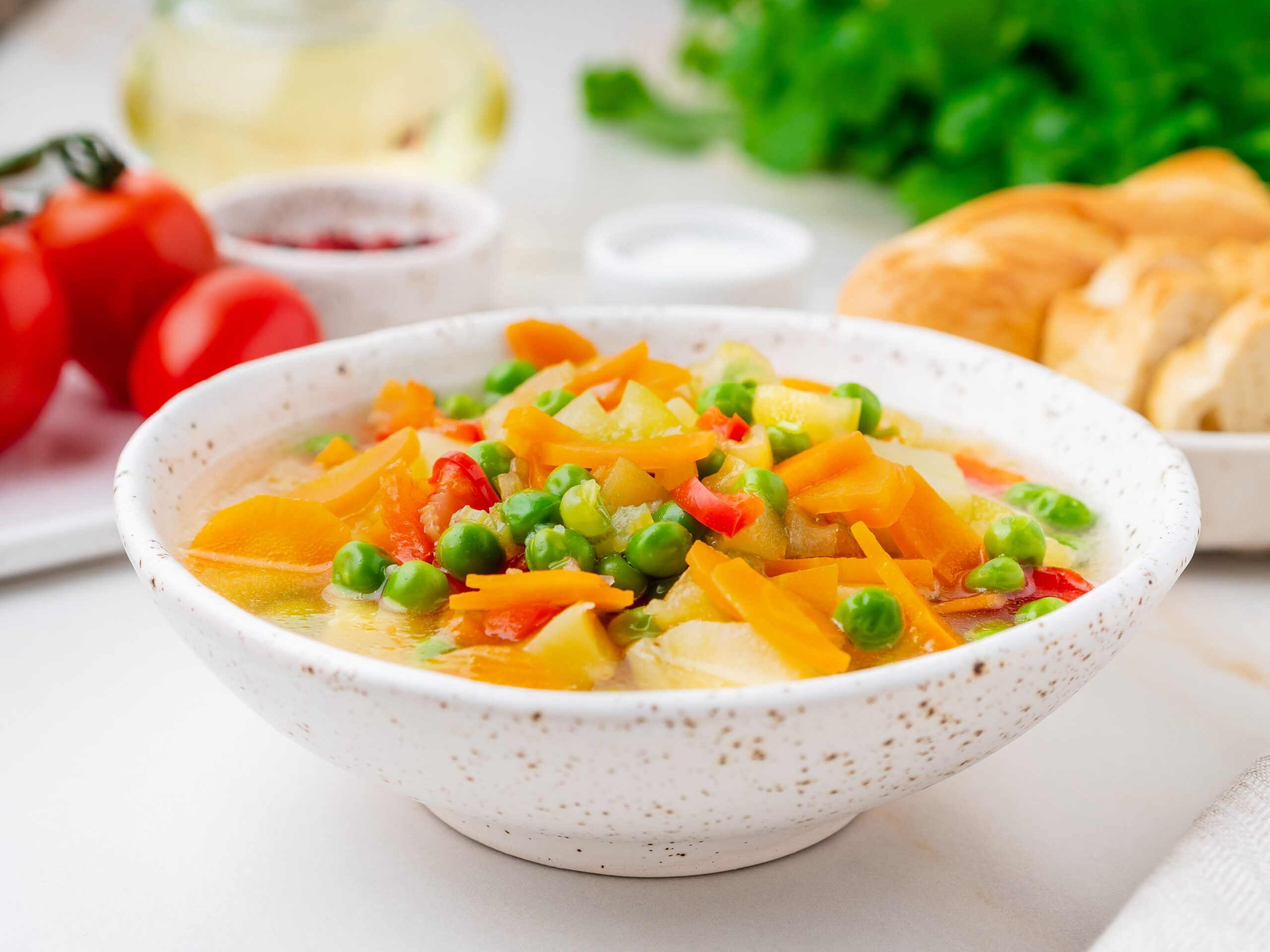
Soups: Great choices for both pre- and post-match nutrition
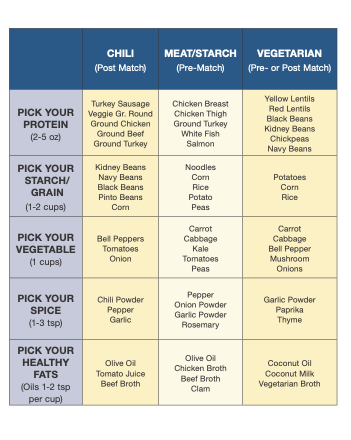
Don’t overlook soup — an ideal pre- and post-match choice that checks every box: provide hydration, electrolytes and pending the ingredients, can provide great sources of complex carbs and lean proteins as well as antioxidants. Because soups are mostly water, they support hydration; their sodium helps expand plasma volume, enhances fluid absorption, and stimulates thirst, making it easier to drink enough. In research, soup before exercise improved thermoregulation and water retention versus plain water (Johannsen et al., 2009). Many soups also deliver fast, easy-to-digest carbs from noodles, rice, or potatoes and lean protein for muscle support. Research shows that pre-exercise carbohydrate intake 1–4 hours before improves performance in endurance and moderate-intensity exercise, and light soups prevent GI distress that heavier meals can cause. A classic chicken noodle soup is a proven winner thanks to its salty broth and carbohydrate-rich pasta. For variety, pick any salty-broth soup with a carbohydrate base and a lean protein. After play, go heartier — more protein and starch — to meet recovery needs while continuing to rehydrate. Refer to our soup worksheet for combination ideas to both pre- and post-fuel. So, here is to enjoying soup this winter and enjoying a sport nutrition performance benefit to boot!
Typical Electrolyte Profile of Soup*
Electrolyte: Sodium
Benefit: Fluid rentntion
Typical Amount: 400-900 mg/cup
Electrolyte: Potassium
Benefit: Muscle contraction
Typical Amount: 200-400 mg/cup (veg soups)
Electrolyte: Magmesium
Benefit: Muscle relaxation
Typical Amount: 20-40 mg
Electrolyte: Carbs
Benefit: Energy
Typical Amount: 10-30 g (depending on noodles/rice)
*Based on an average soup. Johannsen, N.M., Lind, E., King, D.S., & Sharp, R.L. 2009
WINTER SOUP PERFORMANCE MEALS
Page Love is an avid ALTA participant and sport dietitian/nutrition advisor for the WTA and ATP professional tours. She serves on the USTA sport science committee, consults with Resurgens Orthopaedics, and has a private practice in Sandy Springs. You can reach her at nutrifitga.com. Elizabeth Petrucci is an undergraduate student at University of Georgia working towards getting a nutrition degree and looks forward to working in dietetics in the near future!