By Page Love, MS, RD, CSSD, LD, PTR, and Skylar Smith, MS
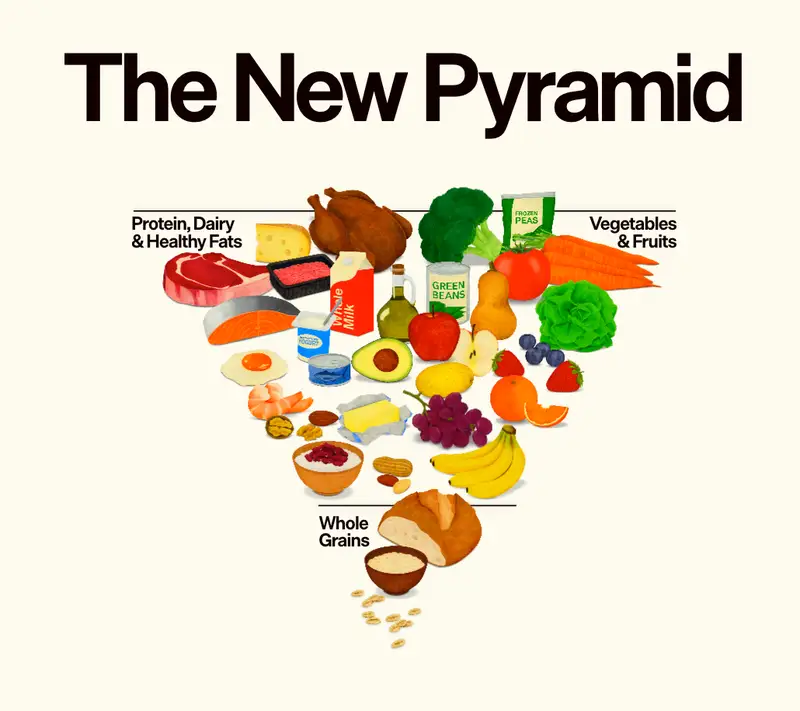
Have you seen the new 2025-2030 Dietary Guidelines for Americans (DGAs) and upside-down food pyramid? This is a controversial topic amongst health professionals and especially for athletes. By appearance, there is a heavy emphasis on protein, dairy, and fats, as well as vegetables. The visual also draws the importance away from carbohydrate “fuel” sources including whole grains and fruit. If you are a visual learner, this chart may lead you to disproportionately assemble your plate. Your plate may likely end up higher in saturated fats and protein and rely more on vegetables for your fiber rather than longer-lasting muscle fuel sources in grains. What this really means is, a plate assembled based on the visual proportions of the upside-down food pyramid would lack adequate calories for proper fueling for your training and the requirements of competing players during gameplay.
The good news is that several guidelines were continued from the 2020-2025 DGAs, such as an emphasis on fresh produce and limiting processed foods. Despite updated scientific reports, the 2025-2030 DGAs include recommendations emphasizing a higher intake of red meat and whole milk which are both high in saturated fats. They also recommend healthy fats, however, they suggest cooking in beef tallow, a saturated fat.
Carbohydrate focus
The new guidelines also recommend 2-4 carbohydrate servings daily. While the emphasis on whole grains is continued, the overall carbohydrate serving recommendations were drastically reduced. The current science guideline for carbohydrates is 45-65 percent of your total calories. To translate this to practical use, for a 2,000-calorie diet (which is the generalized caloric intake for most Americans), this guideline recommends 225-325g of carbohydrates daily. And many racquet sports athletes need closer to 350-500g of carbohydrates or 3-7 g/kg of body weight daily.
Elite racquet sports athletes should even consider sport foods that may contribute to your energy on the court in sport beverages and high carbohydrate energy products such as bars or chews for pre-match and during play. Whereas the new DGA’s recommendation of 2-4 servings daily is merely 30-60g of carbohydrates for a whole day, again much too low for any active adult, much less a growing adolescent athlete who is training in a racquet sports academy, where current sport nutrition guidelines support as much as this per hour of play!
Protein focus
The 2025-2030 DGAs emphasize animal-based proteins and dairy consumption, especially full-fat options — which are significant sources of saturated fats and can increase an athlete’s risk of higher cholesterol levels and potentially increased risk of inflammatory disease. While they provide high-quality protein, choosing lean or low-fat options better supports heart health and performance. Racquet-sport athletes need 1.2–1.7 g/kg/day of protein. Lean animal proteins, low-fat dairy, and plant-based proteins all offer the amino acids needed for muscle building and for repairing and strengthening bones, ligaments, and tendons — key for movement on the court. The visual focus on higher volumes of protein may encourage athletes to overconsume this category as well as before play. This can lead to an increased risk of dehydration, a high-risk issue for players who compete outdoors.
Healthy fats
In the new edition of the DGAs, it is suggested to focus on animal fats and even to use beef tallow for cooking. Beef tallow contains small amounts of fat-soluble vitamins, vitamin A, D, E, and K, offering health benefits such as immune, brain, bone, and cardiovascular health, though levels vary by animal. Beef tallow also contains some monounsaturated fats which help support heart health, improve insulin sensitivity, and increase satiety. However, beef tallow is extremely high in saturated fat, which, consumed in excess, can raise LDL (“bad”) cholesterol and increase your risk of heart disease and stroke. For a more heart-healthy source of monounsaturated fats and fat-soluble vitamins, oils like olive or avocado oil are generally better daily cooking choices.
Training diet
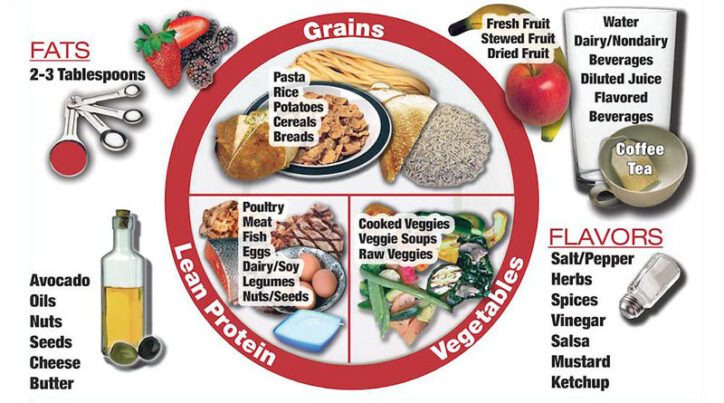
The new upside-down food pyramid visual can be quite misleading when preparing a training plate. Visually, there is a heavy emphasis on protein, dairy, and fats, as well as vegetables, while downplaying carbohydrate sources like whole grains and fruit. This may lead to training plates that lack adequate calories for proper fueling for the body’s normal functions and even further, provide less energy than is required for optimal sport performance. For a training day, especially for the meals before competing, an evidence-based “fueling” plate includes: ½ carbohydrates, ¼ lean protein, and ¼ fruits and/or vegetables. Quality “complex” carbohydrate options include grains, rice, pasta, potatoes, and other starchy vegetables such as corn, peas, potatoes, and legumes. Adequate carbohydrate intake ensures optimal glucose stores — stored as glycogen — to fuel practices and matches.
Recovery
Post-match consumption of carbohydrates and protein are important for recovery. Carbohydrates are required for repletion of glucose stores. Protein is required for muscle repair and can enhance glycogen recovery. On tournament days with multiple matches, adequate glucose repletion between matches should be considered, but can often be difficult to obtain due to timing. Glycogen depletion leads to fatigue and a decrease in physical agility.
Current guidelines recommend consuming 1.0–1.2g of carbohydrates per kilogram of body weight per hour for the first four hours after training or a match, then returning to normal daily needs. Additionally, athletes should aim for approximately 15–25g of protein, or 0.25–0.30 g/kg, post-match to support optimal recovery.
“Real food” focus
The DGAs place a strong emphasis on choosing “real food,” defined as whole or minimally processed items with few ingredients and limited added sugars. This concept aligns well with sports fueling. Whole, real foods provide dietary fiber, which supports gut health and greater satiety, but the lack of real food complex carbohydrates may leave the athlete hungry sooner and possibly hitting energy lows during long matches or tournament play.
Take aways:
- Focus on the evidence-based emphases of the new dietary guidelines: eating more fresh foods, lean proteins, dairy, fresh produce, whole grains, and less processed foods.
- Eat more than the guidelines recommend pre-and post-match to ensure adequate fueling of your muscles for performance.
- Do consider sport foods that may contribute to your energy on the court in sport beverages, high carbohydrate energy products such as bars or chews for pre-match and during play.
- Do not over consume animal proteins because this can increase risk of higher cholesterol levels and increase risk of inflammatory conditions, such as heart disease, as well as contribute to increased risk of dehydration.
- Focus on appropriate proportions for fueling using evidence-based models such as the Olympic Training “fueling” plate for meals leading up to play time.
Remember, fueling is the name of the game!
Page Love is an avid ALTA participant and sport dietitian and certified tennis and pickleball instructor. She is a nutrition advisor for the WTA and ATP professional tours, serves on the USTA sport science committee, consults with Resurgens Orthopaedics, and has a private practice in Sandy Springs. You can reach her at nutrifitga.com. Skylar Smith has a master’s in nutrition from the University of Georgia working towards getting her dietetics license and looks forward to working in sports dietetics in the near future!