By Scott Gates, USPTA, MRT, Director of Racquet Sports, Chattahoochee Country Club
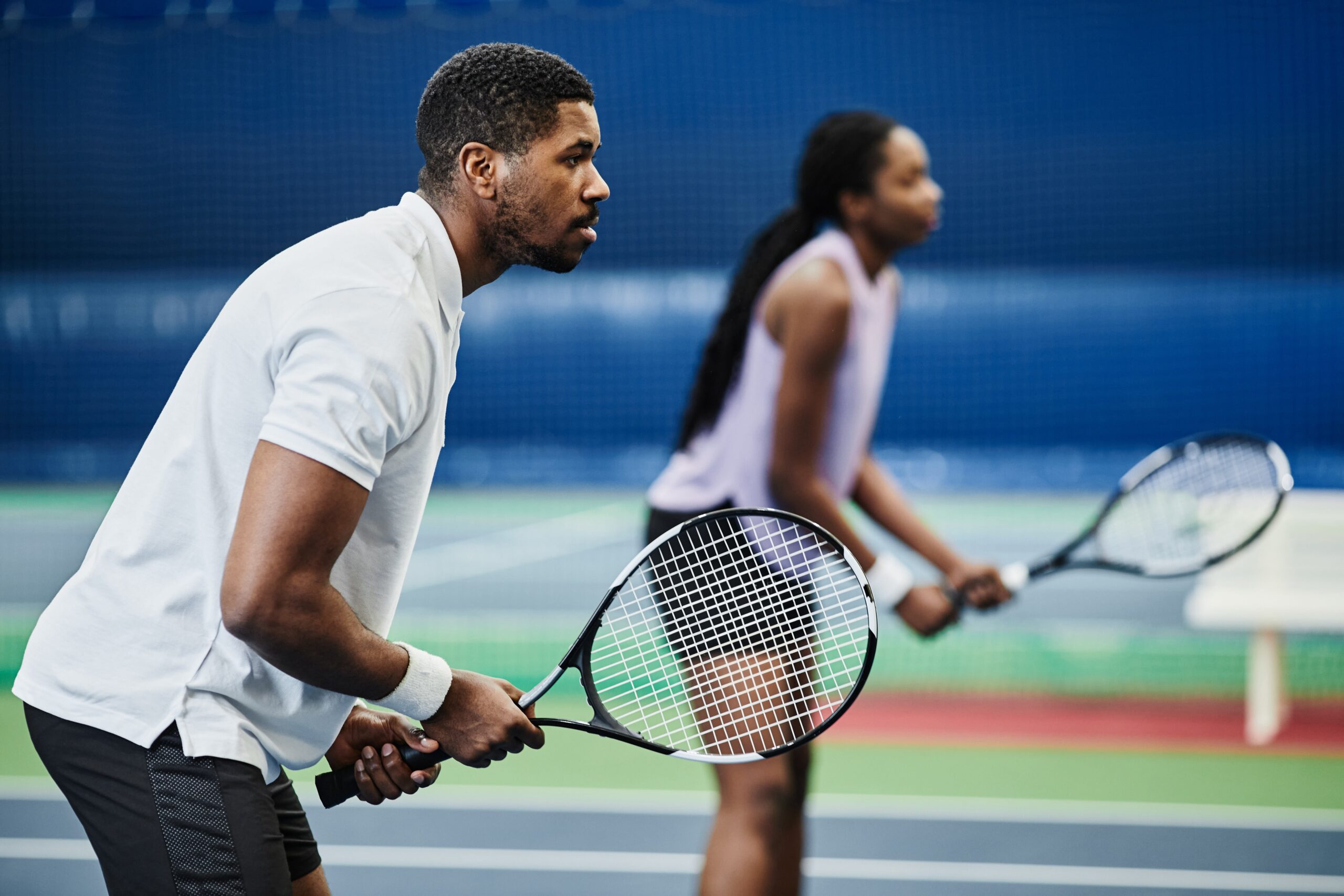
Have you ever tried playing a different style of doubles than the traditional “1 up 1 back” formation? How many of you consistently play doubles points in that formation? How about trying a different formation, the “2 up wall?”
The idea for the two-player up wall is to offer a different tactic than one player up (the finisher) and one player back (the setup player). This strategy enables each player to be responsible for one half of the court at all times rather than have someone responsible for the front of the court and the other for the back of the court. One of the most common phrases I hear is, “We couldn’t get the ball away from the net player.” But what if you had to get it away from two net players?
What makes this formation successful is playing a style of quick-pressure tennis by hitting as few shots as possible and then getting to the net position. One very important aspect of this is knowing where the desired net position or “home base” is. I define it as one full step inside the service line that is directly in between the center service line and the nearest doubles sideline. The resistance that most players will initially state is that they are too far back and shots will come at their feet. Does playing deeper in the service box allow for more balls to come low? Yes. However, if you teach players how to handle these shots, this position becomes far less intimidating.
Another challenge I hear is a player will tell me that they are too far off the net. Commonly, better tennis players have the ability to move volleys forward and not down so they do not need to be right up on the net. Most coaches teach players to hit their groundstrokes deeper in the court. So, where does a deep groundstroke pass a volleyer in this “home base” position? Usually at their shoulders or torso, therefore a comfortable height from which to hit a volley.
This is a great option to minimize how many lobs opponents can hit against a doubles team in this formation. Rather than always “switch” and cross sides, which really leaves a player hitting a comfortable return shot that has just been hit over their partners head, teach your players to turn and take 2-3 side steps back to strike a good overhead. I always find it ironic when players like their overhead play so close to the net; it allows lobs to get over them so easily.
Often, a great strategy is returning serve and then coming in right away. The serve has to be inside the service line so you know that you are already receiving a “short ball.” The plan should be to hit that return effectively and then follow it in to home base. Once you are in that position, each player takes the shots that are hit to their respective side. After hitting the shot, it is important to recover back to home base.
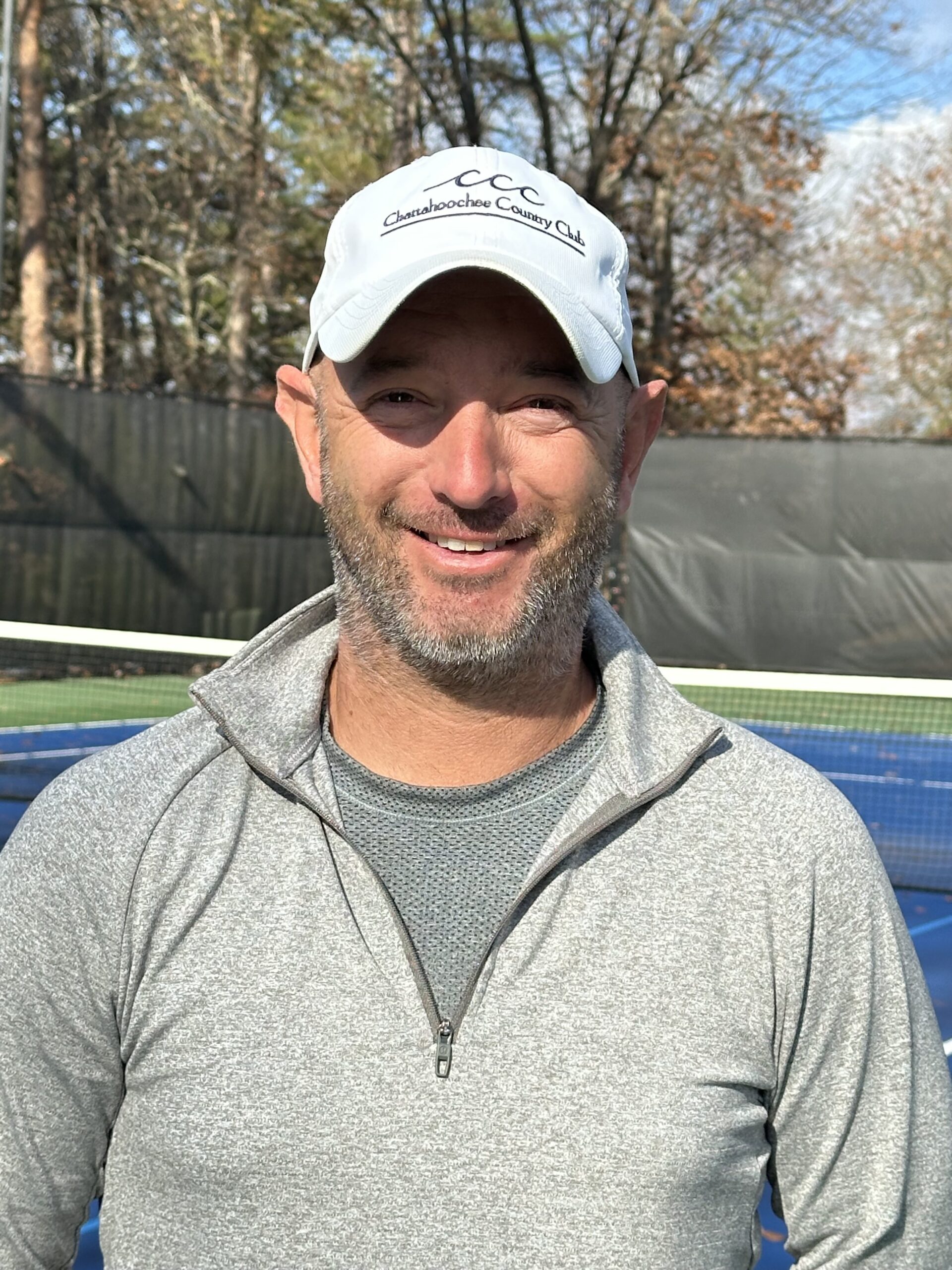 ARA Teaching Professional Spotlight: Scott Gates, USPTA, MRT, Director of Racquet Sports, Chattahoochee Country Club Submitted by the American Racket Sports Association.
Why are you a member of the ARA? This association provides great networking opportunities. The gatherings allow all of us to brainstorm and share ideas and practices that better ourselves and facilities.
What inspired you to be a tennis coach? Teaching others a lifelong sport that was taught to me.
What is your favorite memory of being a tennis coach in Atlanta? Watching people you work with on a day-to-day basis improve to a point where they see growth in their game.
How has tennis impacted your life? Tennis was a vehicle to get me opportunities in college and then continued into my career which led to me meeting my wife. Now we have three daughters who are all getting into tennis.
What is your proudest achievement? Winning the Woody Hoblitzell Tennis Director of the Year felt very validating for me.
What is one fun fact about you that most people would not know? I’m a low-key foodie.
Who is your favorite professional tennis player and why? Lleyton Hewitt because of his tenacity.
What advice would you give young coaches in the industry? Learn from professionals who have been doing this for a while who are respected in the industry.
What do you do when you’re not coaching tennis? I’m either spending time with my family or playing golf.