By Kim Freeman, Junior Leagues Vice President
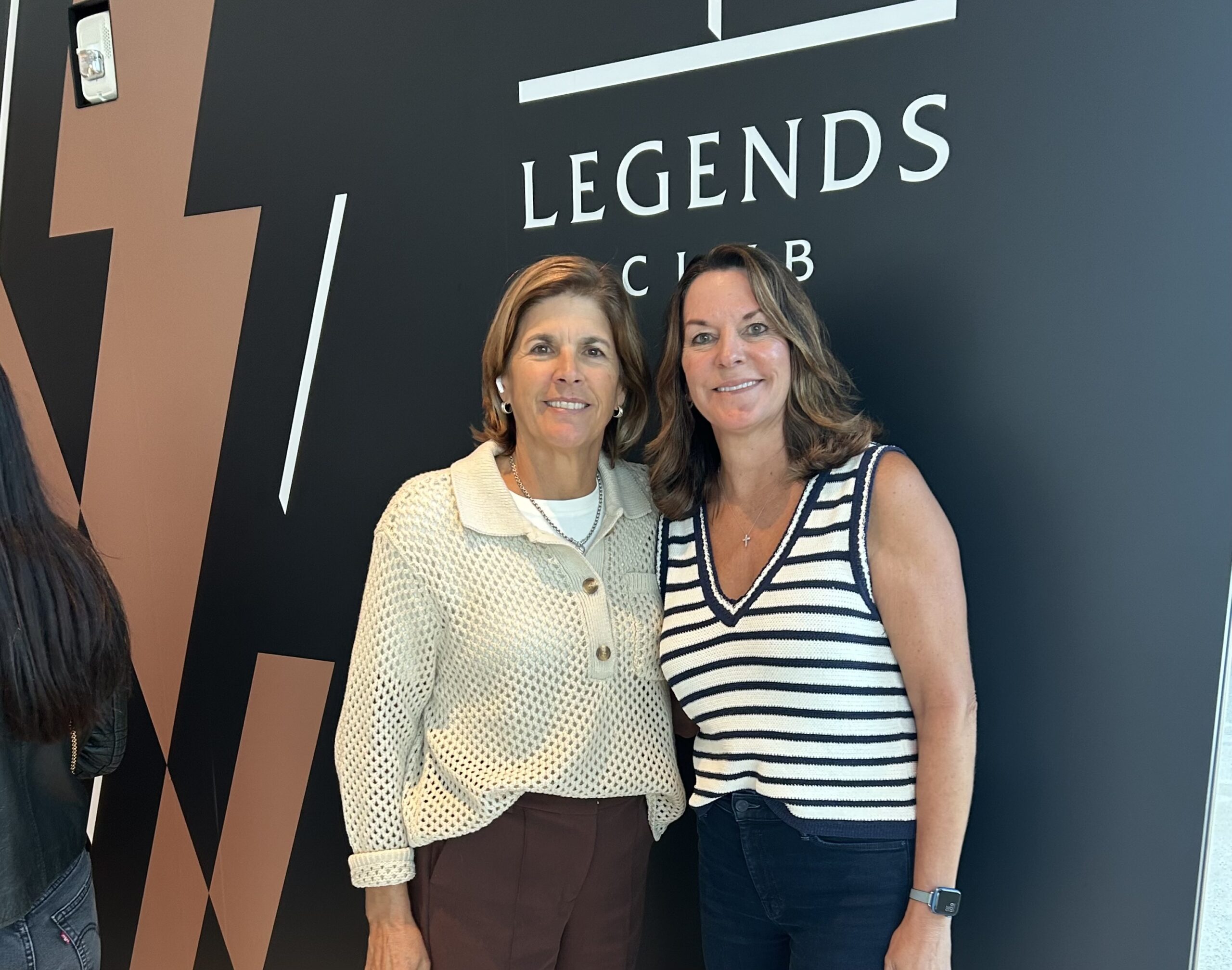
I met Gigi Fernandez many years ago through my friendship with her sister, Patty. Gigi is an iconic figure in the world of tennis, renowned for her extraordinary achievements on the doubles court. She made history by becoming the first female athlete from Puerto Rico to turn professional and later to win an Olympic gold medal. Over the course of her career, Gigi won 17 Grand Slam doubles titles and two Olympic gold medals and was inducted into the Tennis Hall of Fame in 2010, solidifying her legacy as one of the sport’s greatest doubles players. Beyond her on-court success, Gigi travels around the country teaching “Gigi Method” clinics at clubs. Her goal is to hit all 50 states. In this Q&A, Gigi shares insights into her journey, the challenges she’s overcome, and her future projects.
Kim: Gigi, you had an incredible career in doubles. What inspired you to pursue tennis, and how did you get started?
Gigi: I started playing tennis because my two older brothers played when we were little, and I wanted to be just like them. So, I grabbed a racquet, and we would go hit against a wall. I asked my parents for lessons when I was four, five, and six. They would not give me lessons because they thought I was too young and finally when I turned seven, I got my first lesson.
Kim: You’ve achieved so much in your career. What were some of the biggest challenges you faced as a junior player?
Gigi: I think the biggest challenge I faced as a junior was that I didn’t have any competition in Puerto Rico. I was number one in my age group and two above and didn’t have to practice much to win. When I would come to the U.S. in the summer for tournaments, I would get a taste of what real competition was like and would not do as well. Also, I didn’t really have a role model. I was the first Puerto Rican professional athlete in any sport which was a challenge in and of itself.
Kim: What advice would you give to junior players who aspire to follow in your footsteps?
Gigi: My advice is to follow your own path and don’t try to follow in anybody’s footsteps. Be your own person and create your own path. It’s very difficult to follow in the footsteps of someone who achieved a lot. Follow your passion and if you do what you love doing, it will never feel like work, and you will have a happy, successful life.
Kim: How important do you think mental toughness is in tennis, especially for juniors?
Gigi: Mental toughness is crucial in tennis. It’s a sport that tests you not just physically, but mentally as well. Juniors should practice staying calm under pressure by learning to meditate, visualizing success and developing routines to manage nerves. These skills will serve them well throughout their careers.
Kim: Looking back, what do you wish you had known as a junior player?
Gigi: When I look back at my life, I always want to tell myself to chill out. I was pretty intense on the court and let my emotions get the best of me.
Kim: What role do you believe coaches should play in a junior player’s development?
Gigi: Junior coaches are there to provide support and be a guiding force. Not to live vicariously through the player. Along with the technical aspect, a good coach is a mentor who encourages players to set goals, work hard, and develop their own style of play.
Kim: Can you share a memorable moment from your junior tennis days that still resonates with you?
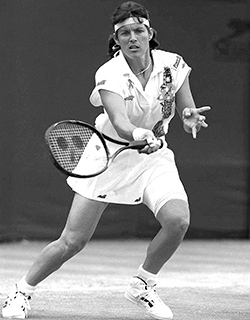 Gigi: Yes. I was playing in the 12 and under junior U.S. Nationals and playing with a girl from Michigan who was number one in the country in singles, Susan Mascarin. Susan, along with our opponents, Andrea Jager and Beverly Bowes, all top three players, were at the baseline serving and staying back, and hitting moon balls. I, already at 12 was serving and volleying, always at the net, trying to poach and trying to hit lobs out of the air, which was more adult tennis rather than junior. At one point, Susan’s mom turned to my mom and said, “Oh, poor Gigi, she doesn’t know how to play doubles. We’re going to have to bring her to Michigan and teach her how.” My Mom laughed it off at the time. Ten years later after I won my first U.S. Open, my mom cut out the article and sent it to Susan’s mom and said, “I guess Gigi did know how to play doubles after all!”
Kim: What’s next for you? Are there any upcoming projects or initiatives you’re excited about?
Gigi: I’m very committed to my tennis foundation, Tennis for Hope, that I started to help people affected by natural disasters after my house flooded during hurricane Helene. It is comprised of 65 members who care about tennis and philanthropy. We have raised over $800,000 and have given a lot of money to various organizations that were affected by natural disasters like the L.A. fires, central Texas river floods, and the Asheville flooding.