By Arturo Nieto, Director of Racquet Sports, Horseshoe Bend
This is a question every tennis professional hears constantly — often multiple times in the same morning. The honest answer remains the same: We don’t always know exactly. What many players may not realize, however, is how much knowledge, experience, and effort goes into providing the best possible estimate.
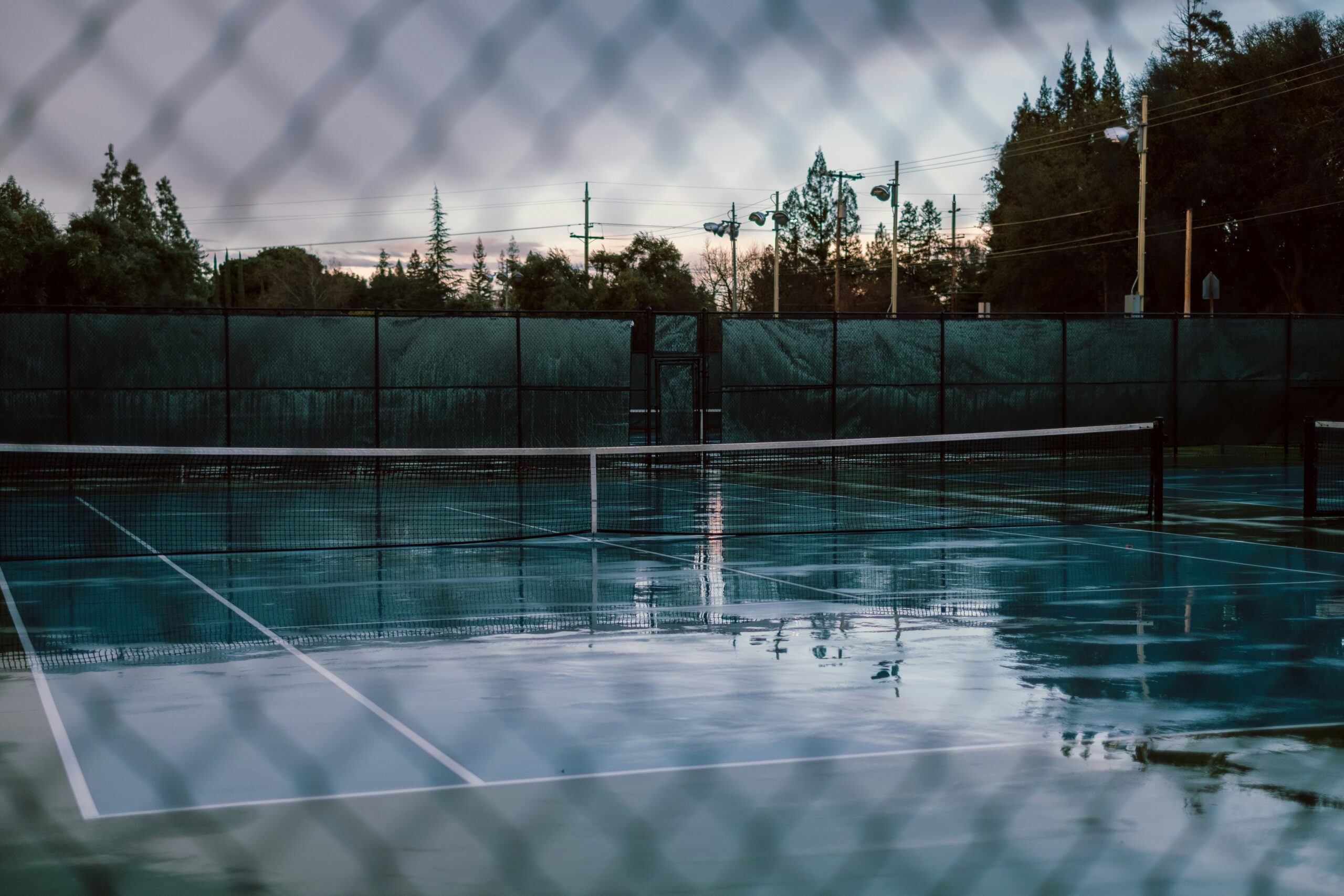
On rainy days, tennis professionals are likely checking the weather radar and forecasts as often as meteorologists. Players naturally want specific answers — “15 minutes or an hour?” — and we do our best to estimate based on experience. Still, weather is unpredictable. While we can make informed assessments, we can’t predict the future. When our estimates aren’t exact, a little patience and understanding go a long way.
One thing always is true: Players, pros, and facilities want matches to happen. No one enjoys rescheduling, arranging make-ups, or taking court time away from others to fit matches in later. In most cases, facility staff already are working on the courts well before players arrive, doing everything possible to make them playable as soon as conditions allow.
What actually determines drying time?
Every facility is different, and even adjacent courts can dry at different rates due to shade, drainage, and surface type. In general, tennis professionals evaluate several key factors:
- Rain intensity and duration — Light rain is different from steady or heavy rain.
- Temperature — Warmer conditions help, but only when other factors cooperate.
- Humidity — One of the most significant variables. High humidity can dramatically slow drying.
- Cloud cover — Direct sunlight is one of the most effective natural drying tools.
- Wind — While not always ideal for play, wind helps evaporation, up to a point.
Ideally, several of these factors are working in your favor. When they aren’t, drying takes time — sometimes a lot of it.
What can (and can’t) be done
There’s a common belief that tennis pros have miracle tools or quick fixes. The reality is more practical — and more limited:
- Courts cannot be dried while it is actively raining.
- Hard courts will eventually dry; clay courts require a different and more delicate process.
- The primary objective is removing standing water — after that, Mother Nature takes over.
- Squeegees are effective for removing standing water, but once that water is gone, continued use can actually slow the drying process.
- Towels can help with lines and small trouble areas, but they have minimal impact on overall drying time.
- VAPTR-style rollers are currently among the most effective tools for hard courts, as they can remove large amounts of standing water efficiently. However, they still rely on time and natural drying afterward.
- Super soppers are best suited for clay courts, where timing is critical. Using them too early can damage the surface, so waiting for puddles to reduce is often necessary.
- Blowers, despite popular belief, do very little to speed up drying. They can move water, but they do not meaningfully increase evaporation.
Managing expectations
At times, players look to tennis professionals for a quick solution. While we appreciate that trust, there are real limitations. Once standing water has been removed, patience is often the only option.
Drying courts can take hours. While delays and rescheduling are frustrating, they are sometimes the safest and most practical decisions — for both the courts and the players.
At the end of the day, tennis professionals and facility staff share the same goal as you: to get matches played as soon as conditions safely allow. When weather doesn’t cooperate, understanding the process helps create a better experience for everyone.
Good luck to all players and teams this season — and thank you for your trust and understanding.
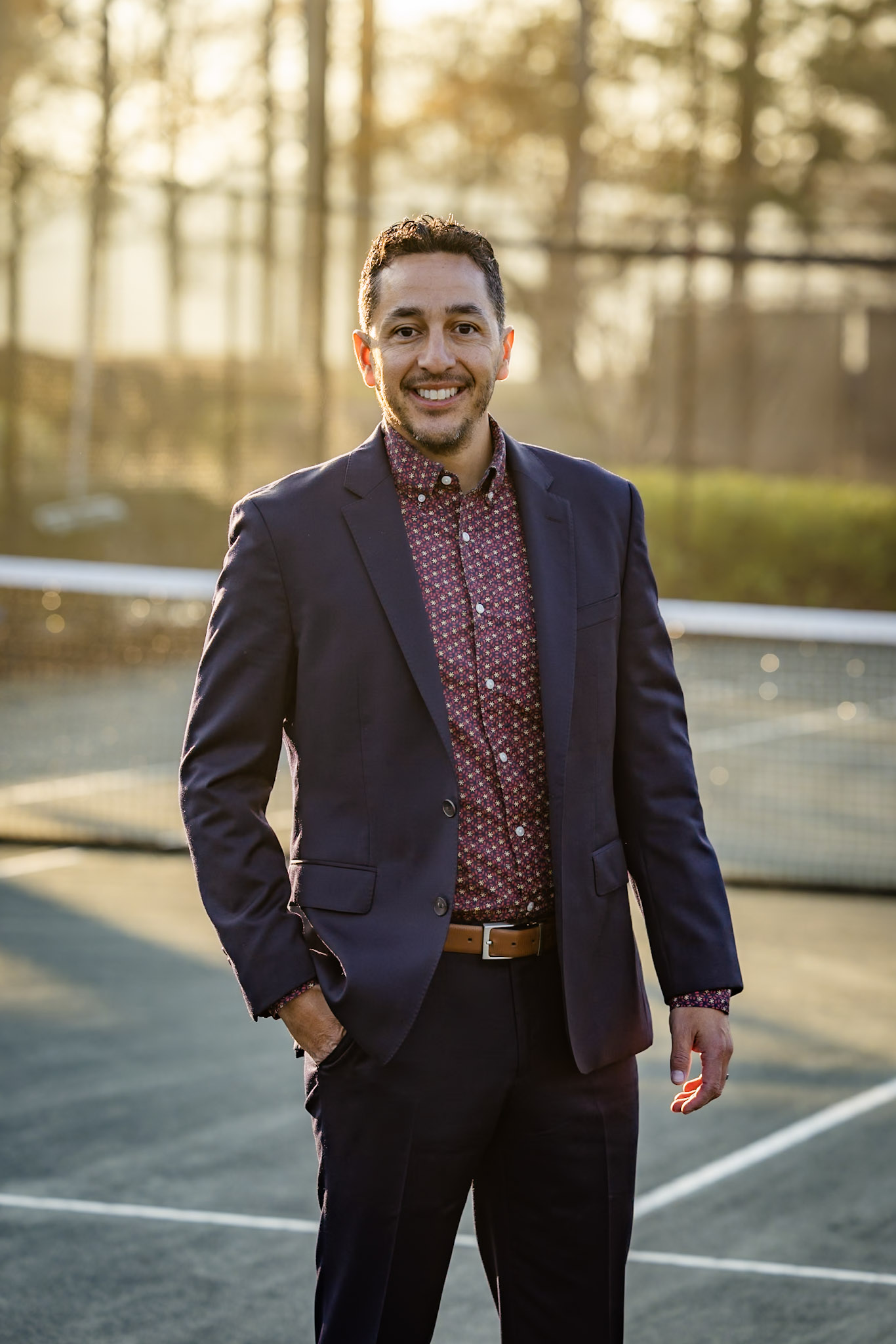 ARA TEACHING PROFESSIONAL SPOTLIGHT: Arturo Nieto, Director of Racquet Sports, Horseshoe Bend
Why are you a member of the ARA? Because it has always been a place to connect and catch up with fellow pros in the area. It’s a great avenue to share ideas with like-minded individuals.
What inspired you to be a tennis coach? I had some amazing coaches growing up. I was inspired by what they all meant to me and I wanted to do that for other people.
What is your favorite memory of being a tennis coach in Atlanta? So many, but the best memories for me involve meeting someone as a beginner and helping them get to an advanced level. From juniors to adults, I get the most satisfaction when I see progress on their ability. I have been fortunate enough to have been able to do so for a few players throughout my career.
How has tennis impacted your life? My life has been impacted positively by tennis. From being able to compete at high levels during my formative years, to earning a college scholarship, to creating a career based around tennis, and meeting amazing people along the way.
What is your proudest achievement? My proudest achievement is not an accolade that I have earned, but rather the positive affirmations and feedback from people that I have taught or impacted through tennis.
What is one fun fact about you that most people would not know? My wife and I decided to do a home birth for our third child. The baby came so fast that the midwife didn’t make it on time. So, we had to deliver the baby by ourselves!
Who is your favorite professional tennis player and why? I love the big three. They each brought something special to tennis and elevated the sport to new heights.
What advice would you give young coaches in the industry? Get your hands on every program at your club or tennis operation. Be curious and ask questions. Attend networking events.
What do you do when you’re not coaching tennis? With three boys 10 years old or younger, I spend a lot of my time when I’m not coaching at their various sport activities.