How much is too much?
By Page Love, MS, RDN, LD, CSSD, PTR, PPR and Felicia McClean, Dietetic Intern
Racquet sports require a unique blend of endurance, power, agility, and rapid recovery. While carbohydrates often take center stage for fueling performance, protein is equally critical in supporting muscle repair, maintaining lean mass, and optimizing recovery between matches. Nutrition strategies must match the intermittent, high-intensity demands of the sport, making protein a key component of performance nutrition.
Why protein matters
Tennis and pickleball involve repeated bursts of explosive movement — serves, lateral sprints, and quick directional changes — followed by short recovery periods. This pattern increases muscle breakdown, particularly during long matches or tournament play. Adequate protein intake helps to repair and rebuild muscle tissue, support adaptation to training, reduce muscle soreness, and to maintain strength and power output.
Athletes who under-fuel — especially in protein — may experience declines in performance, delayed recovery, and increased injury risk.
How much protein do athletes need?
Protein needs for racquet sport athletes exceed those of the general population. While sedentary individuals require about 0.8 g/kg/day, active athletes typically need:
- 1.2–1.5 g/kg/day for moderate training
- 1.5–2.0 g/kg/day during intense training or competition
For example, a 150-pound (68 kg) athlete would need approximately 80–135 grams of protein daily. Importantly, intake should be spread evenly throughout the day rather than consumed in one large meal. Consistent protein intake throughout the day supports better muscle protein synthesis compared to skewed intake patterns.
Protein timing: When it matters most
Before play — Pre-match nutrition focuses primarily on carbohydrates, but adding a small amount of protein (10–20 grams) can help reduce muscle breakdown during training and also stabilize glucose levels, so you don’t hit a glucose low during training. Examples include the following:
- Greek yogurt with fruit and granola
- Peanut butter toast
- Smoothie with dairy and banana and oats
During play — For most matches, carbohydrates and fluids are the priority. However, in longer sessions (2+ hours), small amounts of protein combined with carbs may help sustain energy levels. Examples include the following:
- High-carbohydrate bars with small amounts of protein such as Clif bar or Pro Bar Meal bar
- Peanut butter crackers or pretzels
After play (critical window) — Post-exercise recovery is where protein becomes essential. Consuming protein within 15–45 minutes after play supports quicker and more complete muscle repair and recovery. Recommendations:
- 15–30 grams of high-quality protein
- Pair with carbohydrates for glycogen replenishment
Examples include the following:
- Chocolate milk with pretzels
- Protein shake with fruit
- Turkey sandwich
- Yogurt with granola
Recovery nutrition is one of the most overlooked opportunities for performance improvement, particularly in tournament settings.
Choosing high-quality protein sources
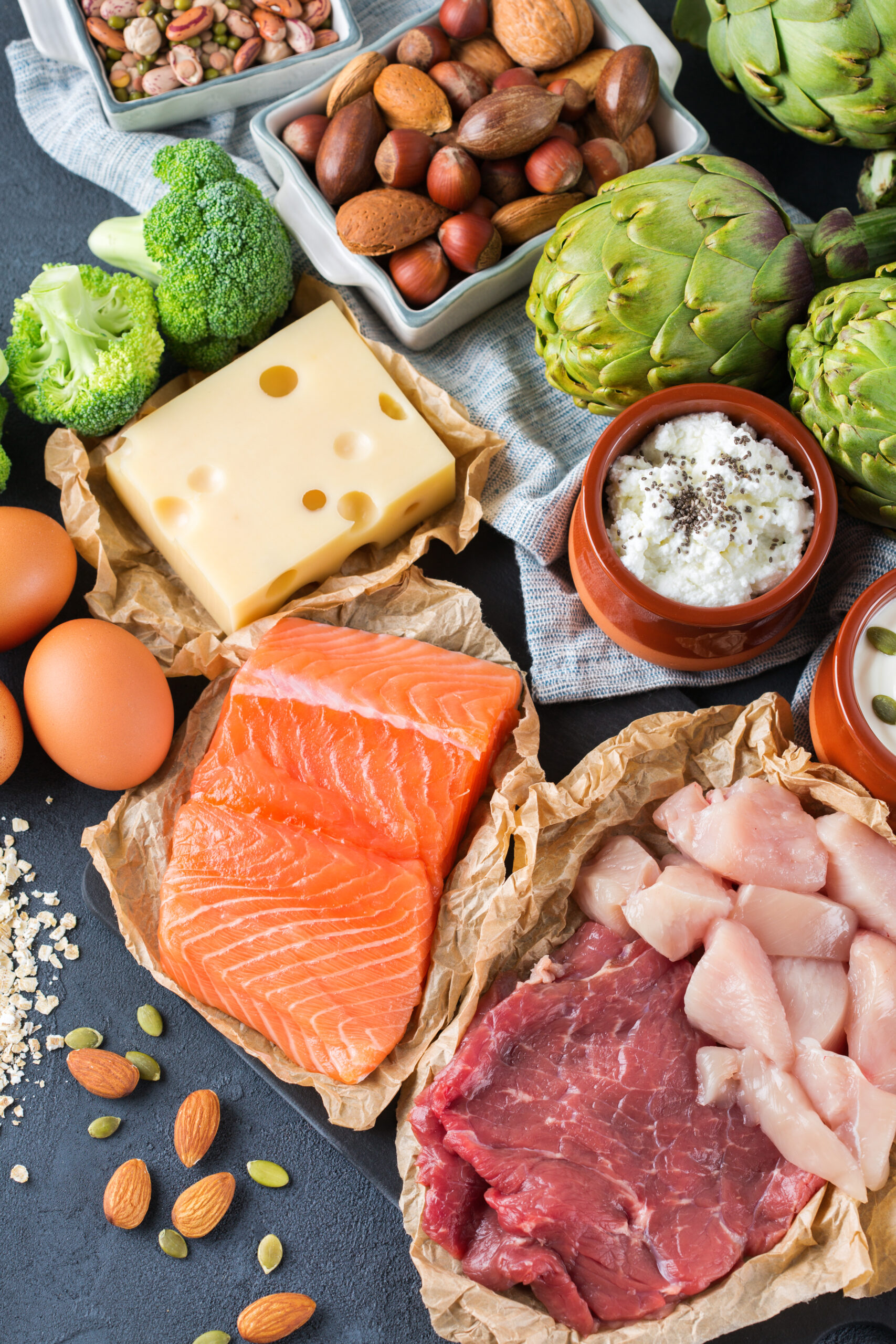
Not all protein sources provide the same benefits. High-quality proteins contain all essential amino acids necessary for muscle repair.
Animal-based proteins
- Chicken, turkey
- Fish and seafood
- Eggs
- Dairy (milk, yogurt, cheese)
Plant-based proteins
- Beans and lentils
- Tofu and tempeh
- Nuts and seeds
- Whole grains
Athletes following plant-based diets should combine protein sources or consider supplementation to meet needs.
Protein and body composition
Maintaining a strong strength-to-weight ratio is essential in racquet sports. Protein supports lean muscle retention during weight loss, improved body composition, and sustained energy and performance.
Athletes aiming to lose weight should avoid aggressive calorie restriction without adequate protein intake. Fueling too low — especially in protein — can compromise both performance and recovery.
Common mistakes
Even competitive athletes often fall short in their protein strategies. Common issues include the following:
- Skipping protein at breakfast
- Inadequate recovery nutrition
- Over-reliance on supplements
- Uneven intake throughout the day
- Not drinking enough water to help in digesting protein and being able to excrete nitrogenous byproducts
Addressing these gaps can significantly improve both performance and recovery.
Practical takeaways for tennis and pickleball players
To optimize protein intake, consider the following tips:
- Include protein at every meal and snack
- Plan recovery nutrition in advance
- Use convenient options (protein bars, shakes, beef sticks)
- Pair protein with carbohydrates post-exercise
- Adjust intake based on training load
- Drink plenty of fluids. Most racquet sports athletes need 3-4 L per day, including 1 L per hour during play.
Final thoughts
Protein plays a vital role in supporting the physical demands of tennis and pickleball. From enhancing recovery to maintaining lean muscle and improving performance consistency, it is a cornerstone of effective sports nutrition.
By applying evidence-based strategies — adequate intake, proper timing, and high-quality sources — athletes can better meet the demands of training and competition. As emphasized in coaching education, aligning nutrition with the specific demands of the sport is key to long-term success on the court.
Page Love is an avid ALTA participant and sport dietitian and certified tennis and pickleball instructor. She is a nutrition advisor for the WTA and ATP professional tours, serves on the USTA sport science committee, consults with Resurgens Orthopaedics, and has a private practice in Sandy Springs and Peachtree Corners. You can reach her at nutrifitga.com. Felicia McClean has a master’s in nutrition, is working toward her dietetics license, and looks forward to working in sports dietetics in the near future!