By Page Love, MS, RDN, LD, CSSD, PTR, PPR
If you’ve played a tennis or pickleball match for more than 1.5 hours, you know that the final games can feel very different from the first ones. Fatigue starts to set in. You aren’t moving as quickly. Concentration becomes harder. Reaction time slows. Sometimes the determining question is: Who still has more fuel in the tank? This is where an old-fashioned food — honey — is finding a popular role in sports nutrition.
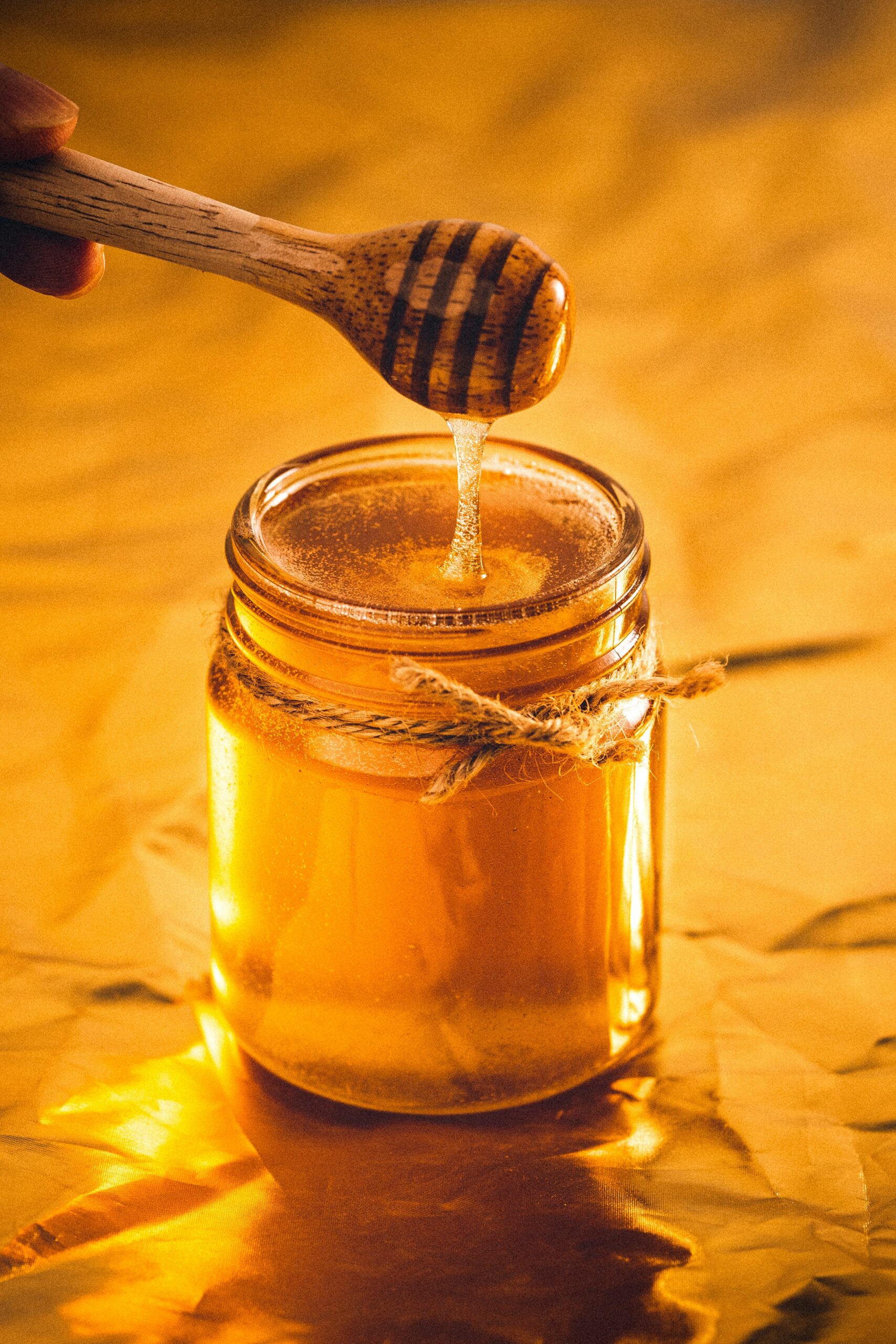
Professional and recreational athletes alike are increasingly using honey as a convenient carbohydrate source before and during exercise. Honey-based gels, waffles, and chews are now common sports-nutrition products, while some players simply carry packets of ordinary honey as seen recently at the US Open. The science behind the trend is surprisingly simple: Honey is primarily carbohydrate, and carbohydrate is an important fuel for high-intensity and prolonged exercise.
Honey also contains small amounts of minerals and phytonutrients, including polyphenols and flavonoids which have benefits on improving immune function and bone health. So, what is honey? Honey is approximately 80-percent carbohydrate. A typical tablespoon contains roughly:17 g carbohydrate and 60-65 calories consisting primarily of glucose and fructose. Combining multiple carbohydrates is a well-known strategy used throughout modern sports nutrition to increase carbohydrate availability during prolonged exercise. So, honey naturally contains some of the same types of carbohydrates found in many sports gels! Honey’s biggest advantage may simply be that it’s an effective, familiar, and relatively inexpensive carbohydrate source.
Why this matters on the court
Tennis and pickleball are intermittent sports. A player may spend several seconds standing relatively still, followed by an explosive sprint, rapid change of direction, hard swing or extended rally. Therefore, a long match can create significant carbohydrate demands even though the player isn’t continuously running. Players can especially benefit from added carbohydrate when a match lasts longer than an hour, when there are hot/humid conditions, and when multiple matches are played in a day. In these situations, blood sugars may be falling, so you can top off your energy before starting a match. So, if you’re heading into a long match or tournament play, a small amount of honey can be an easy way to add carbohydrate and provide a quick energy boost.
These suggested approaches are practical ways to explore honey as a sports nutrition aid: 1 tablespoon honey taken 15-30 minutes before play, straight from a packet, on toast or oatmeal, or mixed into yogurt.
During play: Keep the energy levels up
Once play continues beyond approximately an hour, carbohydrate during exercise can become increasingly useful. Current sports nutrition research suggests consuming 15-30 grams of carbohydrate per hour to help maintain power output levels. Since one tablespoon of honey provides about 17 grams, use this with water like a gel pouch or choose a commercial honey gel, chew or waffle providing a comparable carbohydrate amount. Some common product lines are Honey Stinger, HNY+, and Manuka Honey sports nutrition lines. However, for much longer events, sports-nutrition guidelines recommend 30-60 grams per hour or even higher individualized intakes for those long, three-set matches or multiple rounds of pickleball play.
The hydration piece of this puzzle
Here’s where honey has a limitation. It is not an electrolyte replacement drink. Sweat contains sodium, and losses can become substantial during long matches in hot weather. But players could pair honey with water or an electrolyte beverage, or another appropriate sodium source. Some commercial honey gels contain electrolytes, making them more convenient for competition.
After play: Honey meets protein
Honey also can play a role in recovery. But don’t make the mistake of eating honey alone after a hard match. Post-exercise nutrition should address several needs: Carbohydrates are needed to help replenish muscle energy or glycogen, protein, and amino acids for muscle repair; sodium and other electrolytes are required to replace those lost in sweat. So, to accomplish this, a simple recovery combination might be: Greek yogurt + berries + honey as a stand-alone, or make a smoothie with the same ingredients and add milk for more protein and liquid; or banana + protein-rich yogurt + honey, or oatmeal + honey + nuts + Greek yogurt. Honey supplies the carbohydrate. The rest of the meal provides the nutrients honey doesn’t contain!
The immune connection
This is where honey becomes particularly interesting. Hard training can temporarily alter immune function. Some research suggests that consuming honey regularly during periods of repeated strenuous exercise may reduce certain exercise-associated immune suppressing side effects because honey contains polyphenols, flavonoids, and phenolic acids with antioxidant benefits. The evidence is promising, but limited, on whether honey may help the body respond to exercise-related physiological stress. But what is well-proven to improve immune health is adequate calories, protein, fruits and vegetables, sleep, hydration, and proper recovery.
What about bone health?
This may be one of honey’s most interesting areas of emerging research. Several studies have investigated honey consumption in combination with exercise and found favorable changes in certain markers associated with bone formation. But more research is needed. Think of honey as a possible supporting component of a healthy diet and not a replacement for resistance training, weight-bearing exercise, and adequate protein, calcium, vitamin D.
Do not try it for the first time on tournament day! Test your nutrition during practice. Your sports nutrition strategy should be as practiced as your serve and strokes!
Final score
Honey isn’t a miracle food. It doesn’t replace electrolytes. It doesn’t replace protein. And the evidence isn’t strong enough to claim that honey prevents illness or osteoporosis. However, honey is a legitimate sports-fueling carbohydrate.
Research suggests it can support exercise performance similarly to other carbohydrate sources, particularly when compared with carbohydrate-free conditions. It is easy to digest for many athletes, it is inexpensive, and it’s widely available and versatile.
Page Love is an avid ALTA participant and sport dietitian/nutrition advisor for the WTA and ATP professional tours. She serves on the USTA sport science committee, consults with Resurgens Orthopedics, and has a private practice in Sandy Springs and Peachtree Corners. You can reach her at nutrifitga.com.
Honey vs sports gels: Five honey options worth knowing
Honey Stinger Energy Gels/Chews: These products contain a mixture of organic tapioca syrup, honey, and sugar plus a compilation of other ingredients such as black carrot juice or grape juice, depending on the flavor, and trace amounts of vitamins and electrolytes. Chews allow players to take smaller portions rather than consuming an entire gel at once. They’re convenient for players who prefer something to chew. Best for: Before or during long matches and tournaments.
Honey Stinger Energy Waffle: The waffle format provides both a complex and simple carbohydrate in a more substantial, food-like form from wheat flour, rice syrup, and honey. Best for: Before play or between matches.
Manuka Sport Nutrition Gel: Contains 27.6 g carbs per serving from four sources — Manuka honey, maltodextrin, glucose, and fructose — plus four electrolytes (Na+, K+, Ca²+, Mg²+). Best for: Before or during long matches and tournaments.
HNY+ Energy Honey: HNY+ products focus on honey as the primary carbohydrate source, with options that include electrolytes. Best for: Athletes who want a simple honey-based gel.
Plain Honey. Best for: The simplest and most economical option.