Why not signal before your point begins?
By John Brvenik, Ansley Golf Club
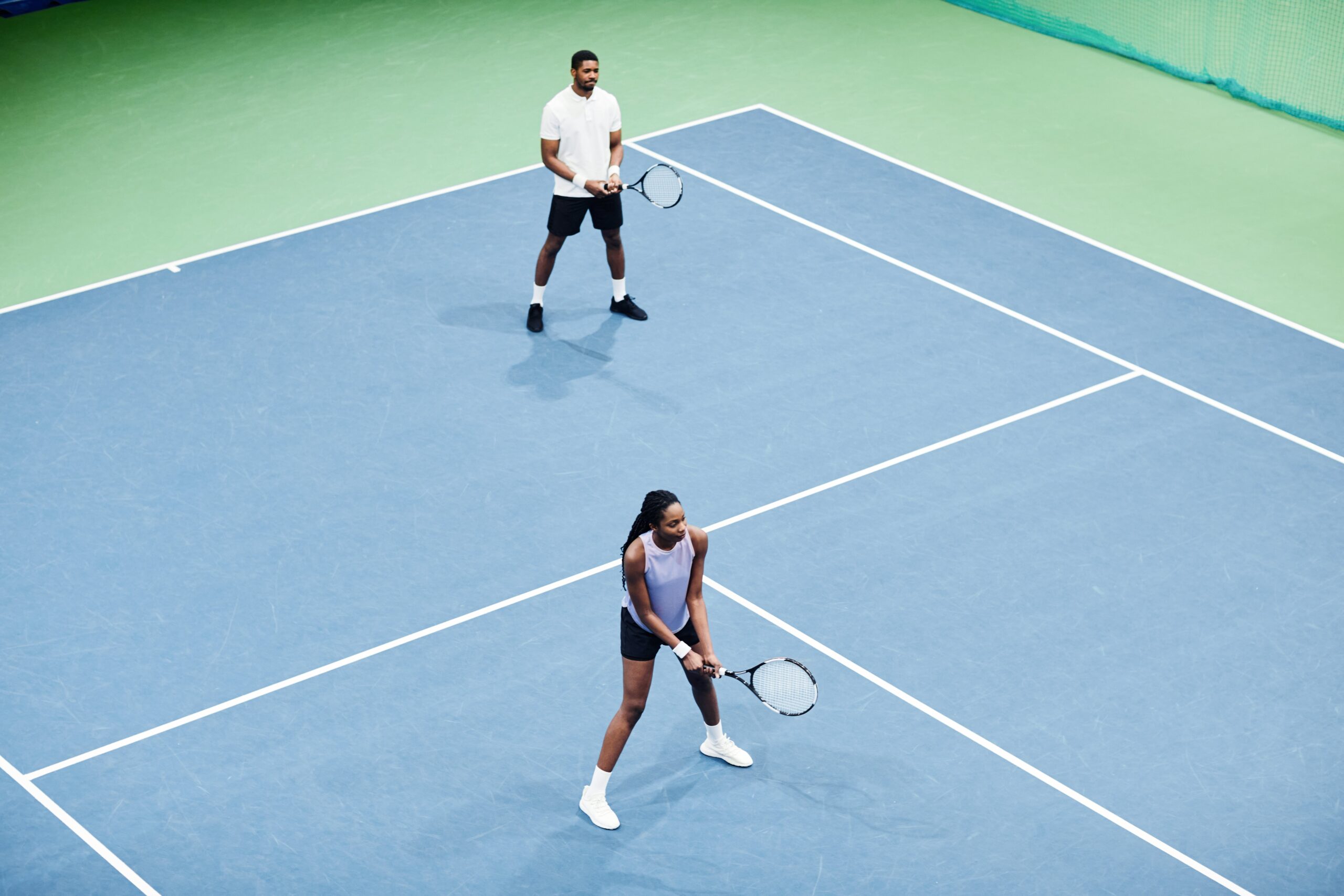
Communication is how we get to know people — their likes and dislikes — and it’s how we build chemistry with someone we may not know so well. This is not so different in doubles, especially where there’s a chance you will play with someone new or that you’re not used to playing with every single week. This is where communication becomes the essence of your success, and it can happen even before the point starts.
As someone who both coaches and watches ALTA matches, I see communication in many different areas. The one space I don’t see much of it in, is using signals before a point starts when your team is serving. We coaches often say the serve is the most important stroke in the game. Some might think that because it is the hardest technique of all the strokes to master, but it has less to do with the physical and more with the psychological and emotional aspect.
We play a sport where almost everything is out of our control. We can’t force our opponent to hit to our forehand or backhand, or to hit a drive shot over a lob, and even when we’re hitting the ball we usually can’t hit the spot we’re aiming for with 100-percent accuracy! There is only one shot over which we have complete control. One shot we can utilize to stymie our opponents and potentially end the point off their return. That shot is our serve.
You, as the server, control both how and when you want the point to start; in doubles, this is a heavy advantage because you have a partner who has positioned themselves right inside the service box to hunt for volleys. Often, however, we give this advantage away by not having a plan of movement to start the point.
Talking to most recreational players at all ALTA levels (with exception of the higher AA players), I hear many times from net players how they do not want to mess up the point by getting involved after their partner’s serve. Or they go to poach, stop themselves and leave their baseline player surprised and not ready for the return coming back deep to them. This is where communication becomes crucial to doubles teammates.
You can use signals to communicate without saying a word and build chemistry with your partner before you even toss the ball to begin your service motion. This ensures there are no surprises after the serve; both the net player and the baseliner know where each other will be when the opponent’s return crosses the net.
I recommend players starting with only two signals to their server (and you would put your hand behind your back for this): An open palm when you are going to poach and a closed fist if you are going to stay put. If you both agree that you’ll poach, your baseliner will immediately begin switching to the other side after they serve as they already know you are going after the return. This will not only help you as the net player, having a readiness on how aggressive you will be, but now your server also understands where they will have to move to cut off the return.
I’ve been asked the same type of question when introducing signals to ALTA players from all levels: “Is this too complicated for us?” I smile and do what every person who asks a question loves to hear; I answer it with a question of my own: Why not have a plan before your point begins?
The worst thing that could happen is that you lose the point, which is what most tennis players fear even without using signals. However, now you at least know off of the first two shots where both you and your partner will be. If you feel like you struggle playing with someone new each week, this is a great way to naturally communicate and develop chemistry during a match without even saying a word. Not to mention from the other side, when returners see a net player using signals, they might start to turn their focus to that player which might result in some easy points for your server.
Get your partner, go out and practice this in a friendly match with your teammates. In doubles, it’s always better to have a plan.
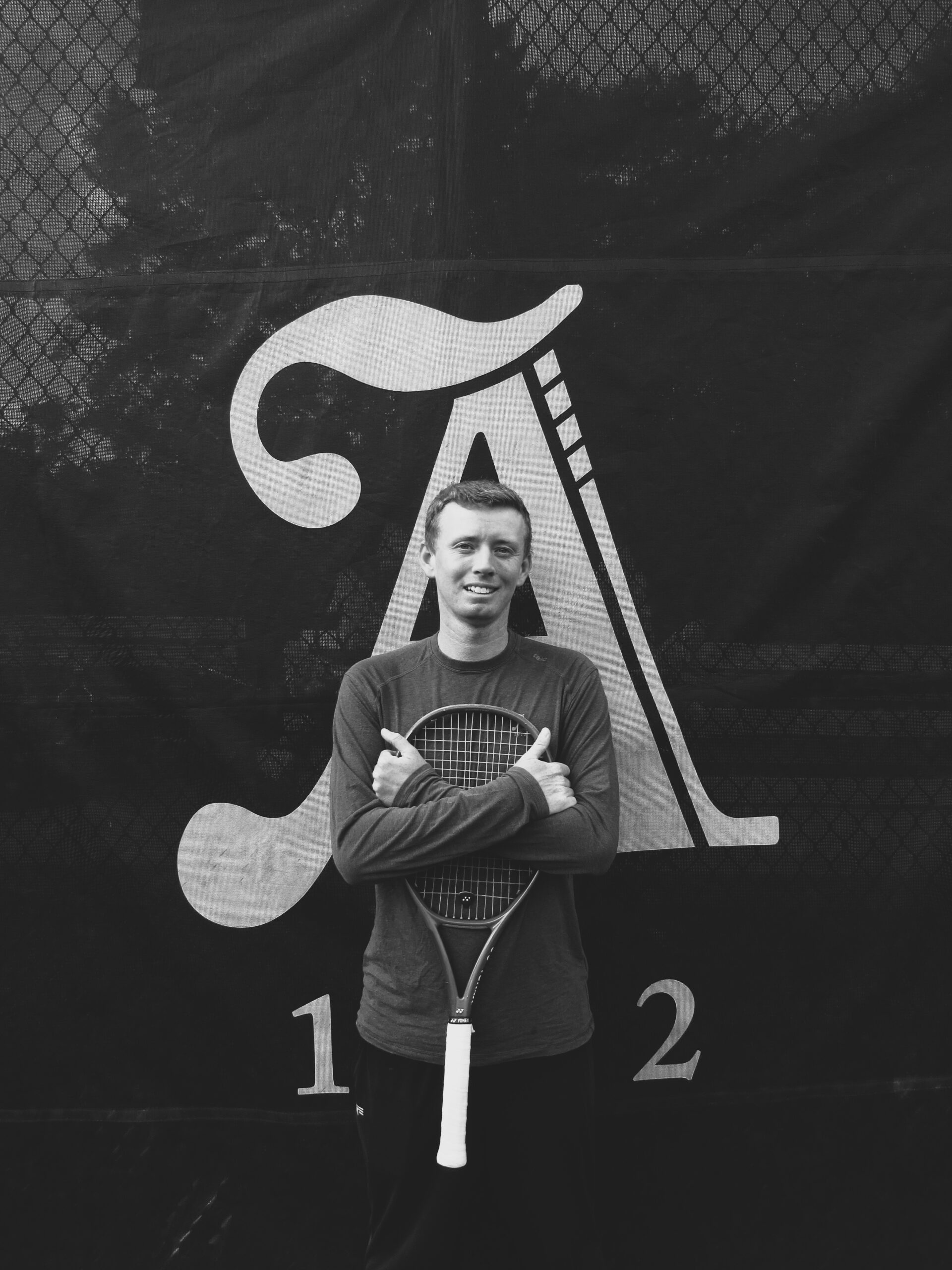 ARA TEACHING PROFESSIONAL SPOTLIGHT: JOHN BRVENIK
Ansley Golf Club, Submitted by the American Racket Sports Association
Why are you a member of the ARA?
I became a member of the ARA when I was 19, simply because I aspired to be the best coach that I could, and they seemed like the best coaching organization to get involved with.
What inspired you to be a tennis coach?
My private and academy coach. When I was a senior in high school, I aspired to play collegiate tennis, but I had plateaued with my coach. I was introduced to Steve Rogers, and he took me under his wing for nine months and transformed my entire game. It was a hard process, but his patience, how meticulous and calculated he was with me, as well as how funny he was, inspired me to become a tennis coach myself.
What is your favorite memory of being a tennis coach in Atlanta?
When I started working at the Ansley Golf Club, I was introduced to this teenage boy who was a great junior baseball player who decided to pursue tennis. I was coaching him for around two years; his dedication to the game was unrivaled to anyone I had coached before. He is with a different coach at an academy now, but now he is looking to play college tennis. I’m just proud of how much work he has put into himself and his game.
How has tennis impacted your life?
Being someone who is naturally introverted, it has allowed me to open up more the outgoing and comedic aspects of my personality. I love delving into the psychology of what my students are — or are not — thinking about when they are on the court. In many ways, I can connect back to my own experiences and help them.
What is your proudest achievement?
Being named the Men’s Tennis Program Director at the club I worked at in 2023. It was the first time I had been asked to take a program and make it my own. The members of my program are fantastic and they just enjoy the energy I have put into the program.
What is one fun fact about you that most people would not know?
That I sing (apparently well, according to the few who have heard me), and I’m a songwriter.
Who is your favorite professional tennis player and why?
Alex de Minaur, first because his name is just so cool and second, I like how much he’s progressed throughout his career just simply through hard work when he may not have the talents that others are gifted with.
What advice would you give young coaches in the industry?
Know your value, don’t be afraid to ask questions, and if you have an idea that you’re really sure about (an event or a new-way to teach a stroke or strategy), go for it. The only time you really fail is when you don’t put yourself out there.
What do you do when you’re not coaching tennis?
Love spending indoor time with my dog and finding sushi spots around town.